
Sensory Activities & Their Benefits For People With Dementia

When a loved one is living with dementia, families often look for ways to help them feel engaged yet comfortable. As memory changes and communication can sometimes become more challenging, activities that once brought enjoyment might not have the same effect. This can leave families searching for new or other ways to help bring a sense of identity or purpose for their loved one.
One of the most common concerns families have is how a loved one can continue to enjoy a degree of independence while receiving the support they need. Modern dementia care increasingly focuses on creating opportunities for meaningful engagement, encouraging choice and helping individuals remain active participants in daily life. Sensory rooms and sensory activities are becoming an important part of this approach, offering experiences that can be enjoyed regardless of memory or communication difficulties.
While sensory activities are not a treatment for dementia and cannot prevent the condition from progressing, they can provide moments of comfort, connection and enjoyment. Understanding how sensory activities for dementia patients can support wellbeing may help families make informed decisions when exploring care options for a loved one.

Why Sensory Experiences Are Important For People Living With Dementia
Dementia affects everyone differently, but many people experience changes in memory, communication and their ability to process information. These changes can sometimes lead to frustration, agitation or feeling disconnected from the world around them.
Many people find that sensory experiences offer an alternative way to engage with environments and with others, as this type of experience/activity allows for prompts through sight, sound and touch. Many families notice that a loved one responds positively to familiar music, favourite scents or comforting textures. These experiences can create moments of recognition and reassurance, helping people feel more settled and connected. Even small interactions can have a meaningful impact on a person's day, whether that is smiling at a familiar photograph, enjoying a favourite song or finding comfort in a familiar object.
Sensory experiences can also support independence in a way that feels natural and enjoyable. Instead of focusing on what a person may no longer be able to do, they encourage participation through activities that can be enjoyed without pressure or expectation. This allows individuals to engage on their own terms and maintain a sense of involvement in daily life. As dementia care continues to evolve, there is growing recognition of the importance of emotional wellbeing alongside physical care needs. Sensory activities can contribute to this by creating opportunities for enjoyment, relaxation and connection that support quality of life.
Supporting Independence With Dementia In A Care Home
When families begin exploring dementia care, one of the biggest concerns is whether a loved one will still be able to maintain their independence. It is a completely understandable question. Many people worry that moving into a care home means giving up control over everyday life, but quality dementia care aims to do the opposite.
Supporting independence with dementia is about recognising what a person can still do and helping them continue to make choices wherever possible. Every individual has their own preferences, routines and interests, and maintaining these can play an important role in preserving confidence and self-esteem.
For some people, independence may mean choosing how they spend their day or taking part in favourite activities. For others, it may involve maintaining familiar routines or simply having the opportunity to make decisions about their own care and lifestyle. These moments of choice help reinforce a sense of identity and ensure individuals continue to feel valued and respected.
Sensory activities can support this approach because they encourage participation without relying heavily on memory or complex communication. Listening to favourite music, engaging with familiar objects or spending time in a sensory room can all provide opportunities for meaningful interaction. Rather than being passive observers, residents can actively engage in experiences that bring comfort and enjoyment.
Within a care home setting, independence is not measured by what someone can do alone. It is about preserving dignity, encouraging personal choice and ensuring each resident remains at the centre of decisions about their daily life. This person-centred approach is widely recognised as an important part of delivering high-quality dementia care.
Sensory Activities For Dementia Residents
Sensory activities for dementia patients can take many forms and often work best when they are tailored to an individual's interests and personal history. Meaningful activities do not have to be complicated. In many cases, simple sensory experiences can be the most effective.
Music is one of the most commonly used sensory activities within dementia care. Favourite songs can evoke emotions and memories, often encouraging engagement even when verbal communication has become more difficult. Music can provide comfort, encourage interaction and create enjoyable moments for both residents and their families.
Touch-based activities can also be beneficial. Soft fabrics, textured objects and familiar items can offer reassurance and encourage exploration. Objects linked to previous hobbies, careers or interests may help individuals feel connected to their life experiences and personal identity.

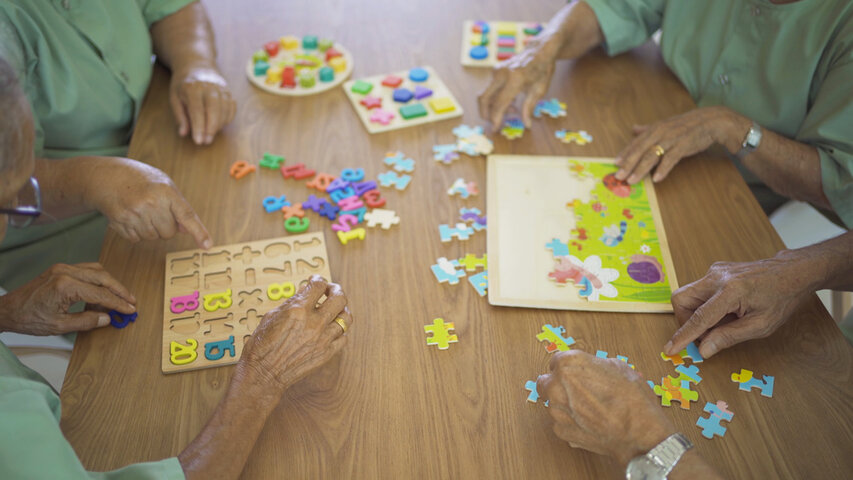
Visual stimulation is another valuable aspect of sensory engagement. Looking through family photographs, observing nature or spending time in a thoughtfully designed environment can encourage interaction and conversation. Familiar images often provide opportunities for reminiscence and meaningful connection.
Scent can also play a powerful role. Smell is closely linked to memory and emotion, which means familiar aromas may trigger positive associations. Fresh flowers, baking or favourite toiletries can all provide sensory experiences that feel familiar and comforting.
The key to successful sensory activities is understanding the individual. What brings enjoyment and reassurance to one person may not have the same effect on another. By focusing on personal preferences and life experiences, care teams and families can create activities that feel genuinely meaningful.
Discover Sensory Experiences at Lark View Care Home
Sensory activities can be a wonderful way to support connection, comfort and wellbeing for people living with dementia. At Lark View Care Home in Canterbury, our person-centred approach means activities and therapies are tailored around each resident’s interests, preferences and individual needs.
If you’re exploring dementia care for yourself or a loved one, we’d be happy to show you how our supportive environment, dedicated team and wellbeing programme can help residents continue to enjoy meaningful experiences every day.
Book a tour of Lark View Care Home today and discover our approach to compassionate, personalised dementia care.