The Power Of Animal Companionship In UK Care Homes
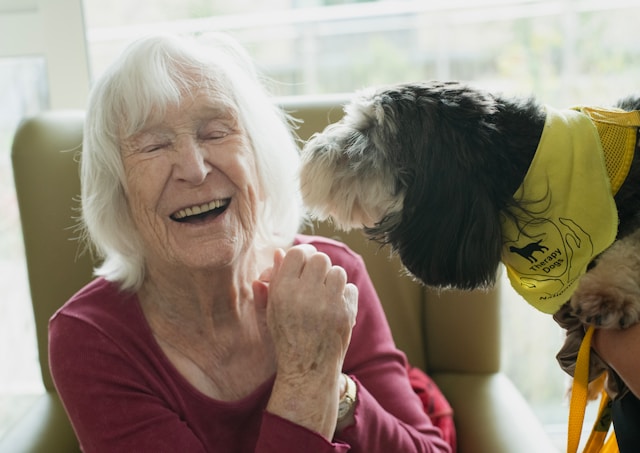
Have you ever seen a care home resident who rarely speaks suddenly open up while petting a friendly therapy dog? Animal therapy is a simple, proven way to lift spirits, spark memories, and get folks moving again. Let's explore how it works and why it's becoming essential in UK care homes like ours.
What Is Animal Therapy?
Animal therapy is a structured form of support in which animals such as dogs, cats, guinea pigs, birds and even reptiles interact with residents to enhance their social, emotional, cognitive and physical wellbeing. Unlike simply having a pet, these sessions are carefully planned, goal‑focused, and supervised by trained professionals to ensure they are safe, meaningful and tailored to each individual’s needs. Interestingly, this practice has a deep-routed history as Florence Nightingale observed that small animals, especially dogs and birds, brought a calming and therapeutic element to people she was treating. Knightingale noted marked improvements in mood and responsiveness among withdrawn, anxious, or seriously ill individuals who interacted with or cared for animals.
How Does It Work In A Care Home?
In UK care homes like Lark View in Canterbury, activity coordinators play a central role. They schedule sessions, often weekly, by partnering with local groups such as Pets As Therapy (PAT) or Therapy Dogs Nationwide. These organisations provide certified animals and handlers trained in healthcare settings.
Handlers assess residents for allergies, phobias, or mobility limits. They secure consent from individuals, families and staff. Animals arrive groomed, vetted for health, and wearing special vests to indicate their therapeutic purpose. Sessions run 30 to 60 minutes in lounges, gardens, or bedside for residents who may be bed bound.
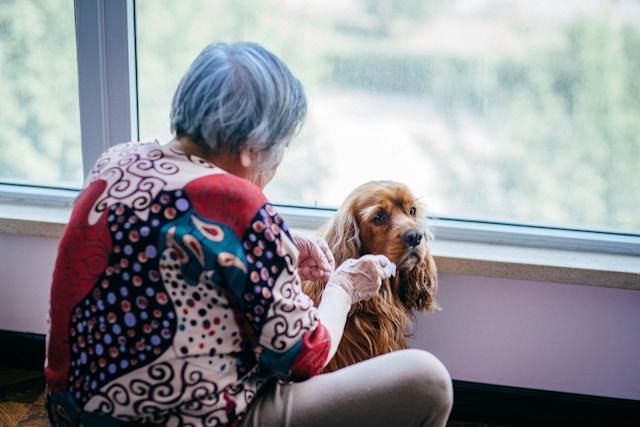
Once everyone is settled, residents can simply stroke the animal's fur, chat to them, or gently brush their coats. Handlers offer quiet prompts like "Feel how soft she is" to spark connection. For someone with dementia, a dog's wag might bring back a long-lost memory of their family pet. Staff keep a close eye, noting smiles or chatter to add to care notes. Hygiene stays top priority with handwashing stations nearby and animals kept away from eating areas. Everyone leaves feeling calmer, and these visits soon become the highlight of the week, fitting right into the homely routine at places like Lark View with its countryside views and person-centred care.
Emotional & Cognitive Benefits
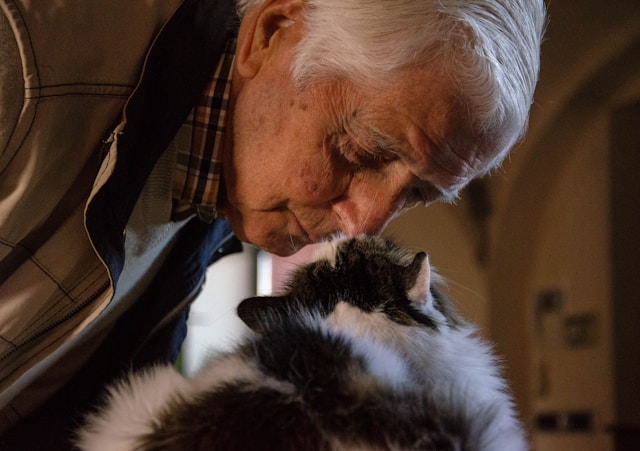
Animals also stimulate cognition by triggering personal memories, for example, a resident saying, "My childhood dog looked just like this", while offering gentle, non-verbal comfort that draws even withdrawn individuals into interaction. Touch releases endorphins to dull chronic pain perception. These sessions serve as social comforters, transforming quiet lounges into spaces to places of story sharing and boosted emotions. It can also be an excellent way to encourage residents who may usually be shy or withdrawn to get involved as animals are often seen as non judgemental and gentle.
Residents with dementia in particular can benefit from this, as animal therapy can often act as a memory recall tool. Studies show these sessions reduce confusion and repetitive behaviours while increasing verbal fluency and quiet individuals often start describing their life stories to the therapy animal.
Physical Benefits
Beyond mind and heart, animal therapy delivers tangible physical gains as it encourages movement in low-impact ways. Petting requires reaching and stroking, which builds fine motor skills and hand-eye coordination. This is vital for those with arthritis or frailty.
Grooming or light play adds more to the physical element, such as brushing a rabbit's fur or tossing a soft toy for a dog involves bending, standing, or short walks. These spark circulation, easing stiff joints and preventing blood clots common in sedentary lives. Heart rates steady from calm touch, lowering blood pressure over sessions.
This can work wonders for mobility-challenged residents, as bedside visits can be adapted. Holding a cat on the lap still prompts arm lifts and twists. Studies link this to better balance and fewer falls as confidence grows from purposeful activity. Pain perception can lower or fade too and endorphins act as natural analgesics.
In care homes, staff weave this into physio plans and this is a great tool to really hone in on a personal care plan as it can be adapted for each individual. A resident walking a small dog around the lounge practices steps safely with handler support. Wheelchair users benefit from lap animals, promoting posture and core strength. Breathing improves from relaxed states, aiding those with COPD.
Hygiene and safety amplify gains. Animals' calm demeanour reduces overexertion risks. Over weeks, residents report less fatigue, better sleep and brighter energy. Families see firmer grips and steadier steps. These subtle shifts compound, enhancing independence and quality of life.
Why Pet Therapy Is A Vital Interaction
Evidently, animal therapy is transforming lives within UK Care Homes, as it is an activity that can be personalised and assist in multiple areas such as cognitive, social and physical. Pet therapy is vital in care homes because it touches residents' lives in such a simple, heartfelt way.
What seals it as vital is the lasting ripple, as days feel brighter with something to look forward to. Staff spend less time calming agitation, and the whole home hums with more warmth and chatter. Families walk in to see their mum or dad smiling and sharing stories again. It's low fuss, safe with all the checks in place, and builds real bonds that make care feel more like family.
In short, pet therapy reminds us all that simple connections heal. For care homes, it's the kind of everyday magic that turns good care into great care.
Ready to bring the joy of pet therapy to your care home? At Lark View Care in Canterbury, we make it simple. Watch your loved ones light up, one tail wag at a time. Transform everyday moments into something special. Get in touch now!